





































SEO has become a standard in our digital landscape. However, when it comes to ecommerce SEO, it's a unique challenge in itself—similar to maneuvering through turbulent waters. Effective as they might be, many traditional SEO strategies can have shortcomings when it comes to the intricate nature of ecommerce industries. To highlight a difference, consider keyword strategies. Ecommerce SEO gravitates towards transactional and product-centric keywords, mirroring the customer's immediate purchasing intent. The landscape is dominated by terms such as “buy online,” “quick delivery,” and more. On the other hand, traditional SEO leans towards phrases such as “how to” or “best ways to,” which are more general. It's then crucial for ecommerce platforms to diligently target keywords related to products and the act of purchasing. Additionally, another aspect to note is the importance of mobile optimization in ecommerce. Considering all the people shopping through their mobile devices, ecommerce websites without mobile optimization are at a disadvantage, potentially losing a chunk of their audience. This is in direct comparison with traditional SEO, where mobile optimization is still of importance but isn't often the main focus. So, if you've been searching for terms like “Seo Ecommerce Product Pages” or “Ecommerce Category Seo” online, know that it's important to choose an ecommerce-specific SEO approach.
At Area Ten, we're a technology-first ecommerce SEO agency for those seeking a tailored approach. From electronics to pet goods, our expertise in different product verticals runs deep. Through our profound technical expertise, we drive SEO results that are not merely bigger but also faster. Regardless of the platform—be it Shopify, Bigcommerce, or WordPress—we comprehend the distinctive challenges faced by ecommerce businesses. That's why CMAX™ is at the center of our strategies. This programmatic SEO platform integrates supervised and unsupervised machine learning models, reinforced learning algorithms, and swarm intelligence techniques. This process produces unique, SEO-friendly content that is produced at scale. Should specific pages show a decline in performance, our swarm intelligence algorithms intervene, redistributing resources and optimizing link structures. This makes sure that well-performing pages can always assist their underperforming counterparts. With our approach, you don't have to look up online terms like “Ecommerce Category Page Seo” or “The Ultimate Guide To Seo For Ecommerce Websites” and settle for a generic option. Trust us as your dedicated ecommerce SEO agency and end your search for terms like “Ecommerce Category Seo” on the web.
By seeing us at Area Ten as your trustworthy guide, we'll illuminate the parts that need it most. For our first meeting, you can think of the experience as sipping coffee with an old friend—talking about your challenges and goals. Armed with an attentive ear and a practical approach, we're here to listen, comprehend, and move forward with a plan. Our initial chat is quickly followed by a detailed SEO audit, in which we make sure no stone is left unturned in understanding your online presence. After gaining a complete understanding, we'll then devise a strategy tailored to your brand's unique objectives and needs. Then, our skilled in-house team, leveraging our proprietary technology, brings that strategy to life, achieving milestones some only dream of. And while we hold acclaim as a reputable SEO agency in Australia, our sphere of influence radiates globally, covering every continent (excluding Antarctica). Powered by a committed team of more than 130 professionals, we can help catapult your SEO efforts to unparalleled heights. For queries like “Search Logistics Ecommerce Seo,” “Best Tools For Seo For Ecommerce,” “Programmatic SEO,” or “Voice Search SEO,” Area Ten can help. Within six weeks, we can start delivering results by focusing on high-impact opportunities. Begin with our free ecommerce SEO Audit today!

















Book Your SEO FAST TRACK below and find out how your SEO is performing
against global benchmarks in your industry.



"Area Ten has supported Zurich with a strong Paid Search and Social Media strategy, driving cost effectives leads and sales revenue for the last 5 years. The team understands our business and proactively seeks new initiatives and optimizations that are in line with our business goals. I would recommend Area Ten to any company looking to expand its online presence and revenue in a competitive industry like ours."
Julie McCormack – Head of Strategy & Distribution, Direct Insurance @ Zurich Australia


"The impact the Area Ten have made to Kmart has been significant – helping to establish SEO as a function and supporting Parmiss on getting us up to scratch. We would not be where we are now without your assistance."
Dan Smith – Head of Digital Engagement @ Kmart


"Our integrated SEO & PPC partnership with Area Ten has delivered incremental traffic and leads for our business. We are able to maximise our coverage on the search engines to effectively guide prospects to our website and generate cost-effective leads. On top of this, Area Ten also helps manage our live chat to drive incremental leads further."
Adrian Mezzina, Schreudres


"The GreeChat team has been excellent with providing a live chat service for our business. They have been responsive to our requests and willing to train their team to understand our offering. I would recommend them to any business wanting to have a 24/7 chat service on their website."
Jonathan Gavshon – Co-CEO @ Group Homes Australia

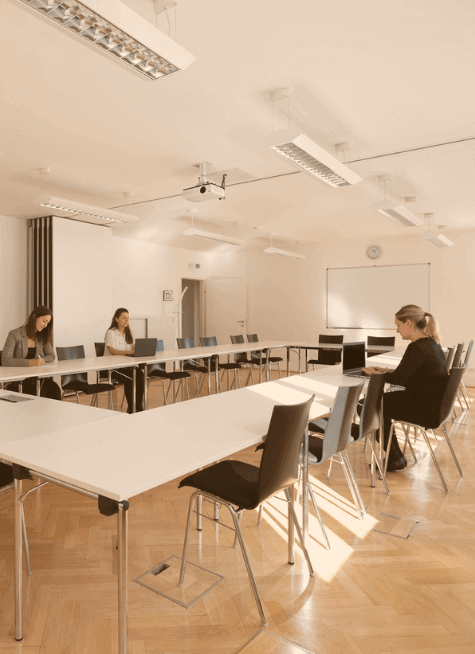
"The Area Ten team have consistently delivered across the initiatives we have engaged them in. We were impressed from the start when they were able to deliver SEO results within a month where our previous agencies struggled for more than a year. Our work with them has expanded since then given they constantly innovate in line with needs of our business, delivering strong returns from what we invest which is why they are a key partner for us and why I thoroughly recommend them."
Carla Viera – Marketing Director @ Regus


"We've been working with Area Ten for over 3 years. They've delivered consistently for us across multiple brands in an extremely tough market vertical and operating environment. I’m ex-agency and have dealt with lots of others in the space and what Jeremy and his team do is unique and effective. Great guys to work with."
Nick St John – Head of SEO @ IAG

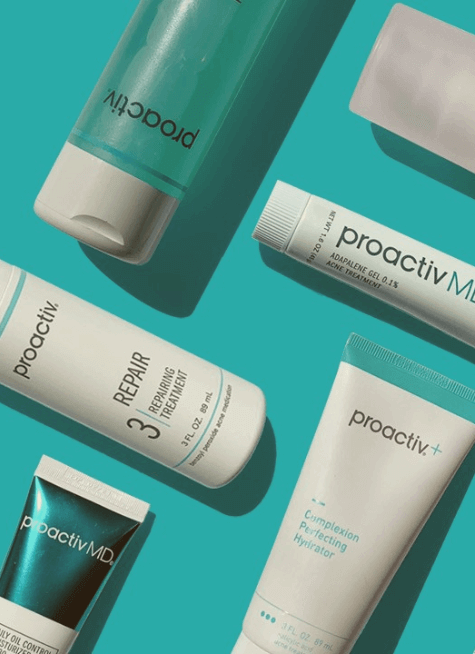
"Proactiv as a brand has been built on the strength of its product as well as the effectiveness of its direct marketing. We have worked with Area Ten for almost 4 years. Their level of attention to the needs of the business have been of a consistently high quality. While we initially engaged them to help with our SEO this expanded to other aspects of our digital marketing given their ability to provide an integrated solution more robust than others we could find in the market. As a digital performance company that delivers they are firmly aligned with our ROI culture. We highly recommend them as a trusted advisor and partner for any performance driven organisation."
Lara Giovenale – Marketing Director @ The Proactiv Company


"To help businesses simplify their retail operations, Square needs to be there for customers at the right time with the right information. Area Ten has helped us with this over the last 5 years, delivering growth in sales through paid search and helping us unlock our growth potential. The team has always delivered expert advice and has been adaptable and reliable in maximising sales. Area Ten is a great partner to have on this journey."
Cammy Nguyen – Paid Marketing Manager @ Square


"Area Ten was a key partner for Eventbrite in Asia-Pacific as we expanded our performance marketing into Singapore and Hong Kong. Their team was with us every step of the way as we developed our strategy to implement new Adwords and Display Network campaigns as Eventbrite's platform was launched into new markets. We saw over 34% YoY growth in conversions from Singapore alone as a result of the advice, guidance and implementation that the Area 10 team completed, alongside significant improvements in click-thru rates, competitive bidding and cost per conversion. I would recommend their services to any business looking to rapidly accelerate growth through performance marketing."
Joshua McNicol – General Manager APAC @ Eventbrite


"We worked with the Area Ten team on Paid Search, they handle all the paid search build, campaign implementation, and tracking set up to ensure we can track leads for all our Franchises which is amazing so we can move fast. I highly recommend Area Ten services. The support is A+, and whenever we've had questions, all issues are resolved or we're provided hand-holding almost immediately."
Todd Alexander – National Marketing Manager @ Ray White


"The Area Ten team has helped us to improve leads and visitor to conversion rates across a number of our channels. For example beyond just driving higher quality website traffic they also managed to improve the online enquiry rate by over 3x through form and page design changes. Area Ten’s experience has added enormous value to our website optimisation activity. They haven’t hidden behind jargon and consistently provide valuable learnings and input with how the various online marketing channels work synergistically together, ensuring our analytics is setup in such a way that we can properly track the true ROI for each channel."
Andrew Grech – Partner @ Gordon Legal


"It's been great to work with the team at Area Ten on performance based SEO model. We liked the structured approach they took to understanding our requirements and making recommendations around what we needed to do in conjunction with them. They were always available to provide expert advice and feedback around changes we were making. It was amazing to see results within the space of 2 months. Listed below are some of the results that were achieved since the start of the programme and Area Ten team have exceeded our expectations: - Non branded organic traffic increased by 261% - Aggregate rankings improved by 293 positions"
Elvin Singh – Customer Acquisition Manager @ Firstmac


"We have been working with Area Ten for nearly three years and their knowledge and expertise has had a significant positive impact in helping evolve Snap's digital marketing strategy. They are proactive with new initiatives and ideas that are aligned to Snap's Transformation Strategy, ensuring we are in sync with the fast changing digital marketing space. The transparency that the Area Ten team provides in their reporting gives clarity on the ROI from the different initiatives undertaken. They are also willing to adapt to our individual requirements as well as challenge our thought process. It is this partnership with Area Ten that makes them our most valued resource as part of our agency roster."
Raeleen Hooper – CMO @ Snap


"We have had the pleasure of working with AreaTen for more than a year, and we can confidently say that they are among the best SEO companies we have ever worked with. Their expertise in search engine optimization has significantly contributed to our online visibility and increased traffic to our website. AreaTen's team is knowledgeable, responsive, and dedicated to achieving results. Their attention to detail and ability to communicate complex technical concepts in a clear and concise manner is truly impressive. We highly recommend AreaTen to any business looking for top-quality SEO services."
Dean Kim – Operations Manager @ Peace Lily

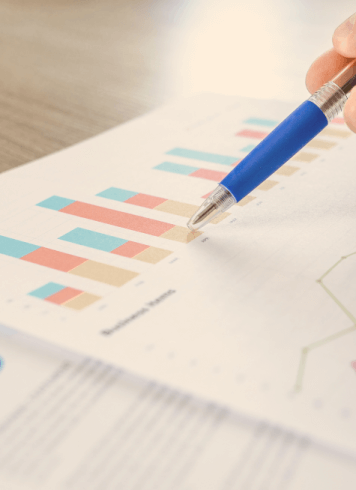
"We use AreaTen to drive more sales for our business. AreaTen supports us by providing actionable, valuable, and real-time insights as we work with the customers who depend on our information. The team makes it easy to understand the data without having to be an online marketing expert, They have helped us every step of the way — from setting up campaigns to figuring out how best to analyse results. I recommend AreaTen to anyone looking to grow their online sales."
Patrick Coghlan – CEO @ CreditorWatch

"Earlier, we had used another live chat provider who could not help us with live chat leads attribution. We have been using Greechat for almost 4 years now with end to end lead tracking provided to us. The Greechat team is very easy to work with and love that the team is so responsive and willing to help. It is a great feeling knowing we have support right there with us and can ask them a question at any point. Hands down the most responsive and knowledgeable live chat providers I have ever used."
Tariq Shafei – Director of Online Learning @ Kirana Colleges

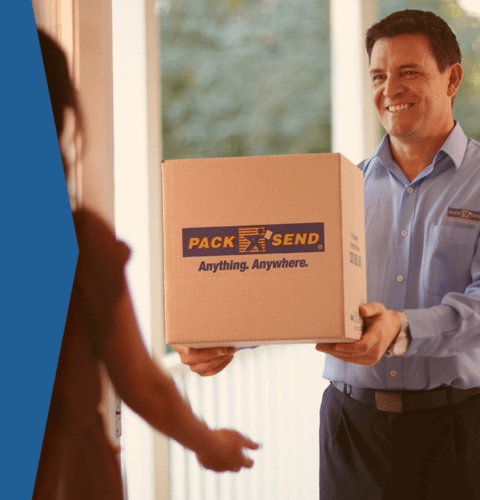
"Our SEO traffic and leads has continued to increased YoY and MoM since we started working with Area Ten over 2 years ago. SEO has become very important sales generation channel for PACK & SEND."
Tim Robinson – Digital Marketing Manager @ PACK & SEND


"Area Ten have supported Prospa with top notch professional service, both in performance marketing and SEO. Their ongoing support helped Prospa consistently achieve its targets over the years. I speak for all stakeholders at Prospa, past and present, when I say we couldn’t have asked for a better partner in this space!"
Nadav Linden - Head of Performance Marketing & Digital Partners


"Area Ten has been an invaluable partner for our Edventure Co brands. They delivered tangible SEO results for Everthought and Plain English Foundation within the first month, and impressively, the improvements in rankings, traffic, and leads continued to grow steadily over time. Their dedication to going above and beyond makes them a trusted partner I highly recommend for anyone seeking systematic and sustained SEO growth."
Helene Prio - Head of Marketing @ EdventureCo


"Area Ten has been managing Everthought's paid media campaigns for almost three years, consistently demonstrating exceptional customer service and delivering outstanding results. Over the past year alone, we have seen remarkable improvements: leads increased by +2,880%, conversion rates improved by +7,811%, and cost per lead decreased by -98.8%. Their commitment to excellence and consistent performance make them a valued partner in our marketing efforts."
Helene Prio - Head of Marketing @ Everthought


"In just under two months since partnering with Area Ten for our SEO needs, we witnessed remarkable improvements in our rankings. This boost in visibility quickly translated into increased traffic, which we soon saw reflected in our ecommerce revenue growth. Their systematic approach to enhancing our digital performance continues to deliver impressive results. We couldn't be happier and highly recommend their services. "
Alicia Foster - Marketing Manager @ Frontier Pets

"The Area Ten team were highly recommended to us and we understand why. As they promised they started showing clear SEO performance improvements within 6 weeks of starting. Despite the high level of competition in our part of the finance industry, in just a few months not only have they delivered a 33% improvement in organic traffic but also delivered quality traffic that converts at a higher rate. This has helped push SEO to become our biggest and most cost effective acquisition channel. I highly recommend the team and their unique set of technology. "
Justin Brady - Director - Marketing @ OnDeck


"Area Ten have been an trusted partner in our growth for several years driving consistent performance through SEO, PPC and 24/7 Live Chat Sales. I cannot speak highly enough of their professionalism and uncompromising focus on commercial outcomes for us. I would recommend them without hesitation. "
Sadiq Merchant - Chief Operating Officer @ Upskilled